All my books
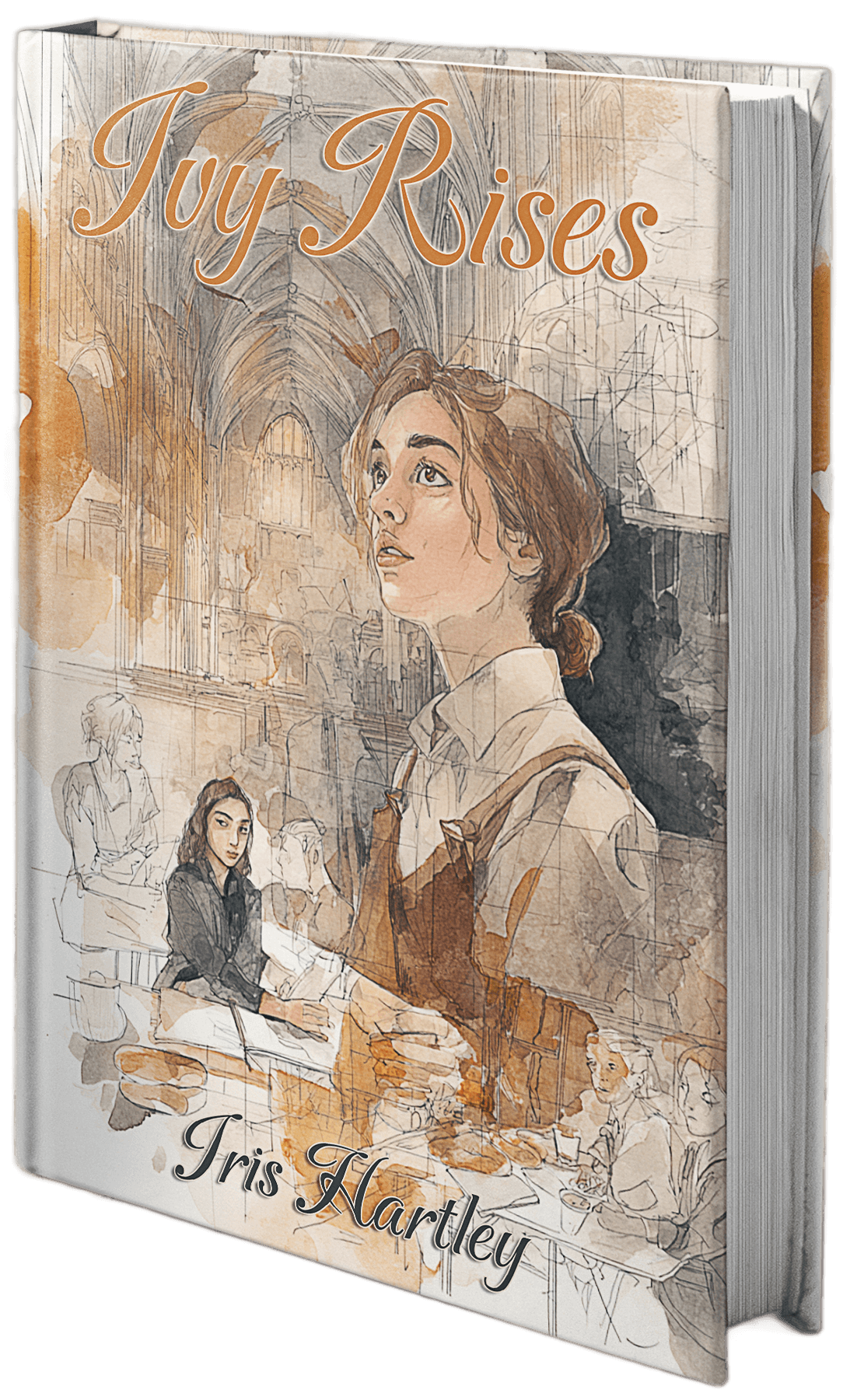

By daylight, Iris Hartley lives in the high-pressure, no-margin-for-error corridors of corporate life. By lamplight, she writes stories about the moments that break through that armor.
Iris built her career in environments where discipline, discretion, and difficult decisions aren’t optional: first in law, then in senior corporate leadership, where every word is documented and every choice has consequences. She’s fluent in policy, contracts, risk, and the art of keeping her composure when the stakes are high and the room is full of people who’d happily weaponize a misplaced sentence.
Her novels are where she lets herself breathe.
On the page, Iris trades boardrooms for bell towers, corner offices for quiet libraries, compliance briefings for rain-soaked bridges and warm bakeries. Her stories explore what happens when people who have done everything “right” finally admit they want something honest, vulnerable, and real. They are tender without being naive, romantic without losing sight of power, class, work, or the fallout of our choices.
The result is emotionally intelligent love stories that feel like secret lives: polished exteriors, wild interior weather.
High standards, real consequences Iris writes about smart adults with careers, obligations, reputations, and history. Nobody gets to pause real life for 300 pages; ambition, family pressure, professional ethics, and social status are all part of the love story.
Slow-burn intimacy She is obsessed with small details: the second look across a crowded room, the shared joke that no one else catches, the half-step closer that could still be explained away. Her romances simmer. When her characters finally cross the line, it means something.
Queer, complex, deeply human Iris centers characters who are self-possessed in public and quietly unsure in private, women who have learned to perform perfection and are startled by desire that doesn’t fit the script. Her novels are safe havens for readers who want queer love handled with respect, nuance, and grown-up stakes.
Beauty in the ordinary Universities, city streets, cafés, trains, anonymous corporate buildings, these are Iris’s cathedrals. She loves the contrast between institutional stone and fragile, private rebellion: a sketchbook hidden under case law, a note tucked between pages, a life-changing decision made in a hallway no one remembers.
Iris Hartley’s professional résumé (the one she actually shows people) includes:
This background shapes everything she writes. She understands how power works, how systems constrain people, and how love has to fight for its place inside those systems. Her characters sign contracts, run departments, manage teams, and still go home wondering who they are when nobody needs anything from them.